
Leading Foundation Repair Products to Reinforce and Stabilize Structures
Explore innovative and trusted products that help restore and strengthen foundations with confidence.
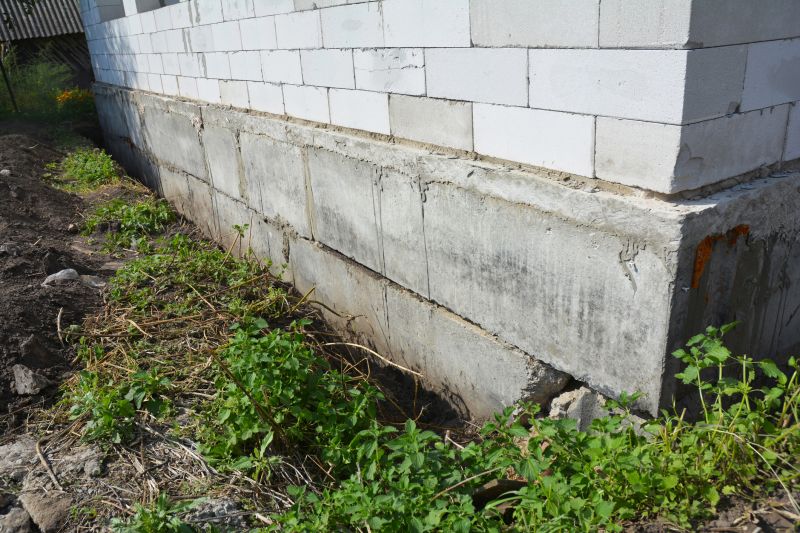 Foundation repairs are a critical aspect of maintaining the stability and safety of a structure, especially in areas like Marshfield, WI, where soil conditions and weather patterns can influence foundation integrity. Choosing the right products for foundation repair requires understanding the various options available, each designed to address specific issues such as settling, cracking, or shifting. From underpinning solutions to reinforcement materials, the market offers a wide array of tools and devices to help homeowners and contractors strengthen and stabilize foundations effectively.
Top Overall Option
Hydraulic Push Pile System
The hydraulic push pile system is a versatile foundation repair product that allows for precise stabilization by driving steel or concrete piles into the ground beneath a structure. It is suitable for various soil types and can be used to support existing foundations or lift sunken areas. The system's adaptability and strength make it a popular choice for both residential and commercial repairs, offering a reliable method to reinforce and stabilize foundations. Proper installation by trained professionals ensures optimal performance and long-term stability.
Types of Products For Foundation Repairs
Epoxy Injection Kits
Used to fill and seal cracks in concrete foundations, epoxy injection kits help restore structural integrity and prevent water intrusion.
Helical Piers
Helical piers are screwed into the ground to provide support for settling or shifting foundations, especially in unstable soil conditions.
Push Piles
Push piles are driven into the ground to support and stabilize foundations, often used in areas with deep or challenging soil conditions.
Slab Jacking and Mudjacking
These methods lift and level sunken concrete slabs by injecting a grout beneath the surface, restoring stability and appearance.
Underpinning Systems
Underpinning involves extending or strengthening the foundation to improve stability, often using piles or piers.
Steel Support Beams
Steel beams are installed to reinforce existing foundation walls and prevent further movement or cracking.
Soil Stabilization Products
These products improve soil bearing capacity and reduce shifting, helping to prevent future foundation issues.
Waterproofing Membranes
Applied to foundation walls, waterproofing membranes help prevent water intrusion that can weaken structural materials.
Anchor Bolts and Wall Braces
These are used to reinforce and stabilize basement walls, preventing bowing or collapsing.
Grout and Sealants
Used to fill gaps and cracks, grout and sealants help prevent water infiltration and further deterioration.
Concrete Patching Compounds
These compounds repair damaged or cracked concrete surfaces, restoring strength and appearance.
Vapor Barriers
Installed beneath slabs or within crawl spaces, vapor barriers reduce moisture migration and protect the foundation.
Drainage Systems
Proper drainage solutions direct water away from the foundation, minimizing soil erosion and pressure.
Foundation Repair Kits
All-in-one kits containing various tools and materials for small to moderate foundation repairs, suitable for DIY projects.
Popular Choices
These kits are frequently used for sealing cracks in concrete foundations, offering a straightforward application process.
Pumps used in slab jacking to lift and level sunken concrete surfaces efficiently.
Steel push piles are commonly selected for deep foundation support in challenging soil conditions.
Wall anchors help stabilize bowing or leaning basement walls and are popular among homeowners.
Widely used to prevent water seepage, these membranes are essential in foundation waterproofing projects.
Underpinning piers are favored for their ability to support and stabilize compromised foundations.
Effective drainage solutions are crucial for directing water away from the foundation area.
Sealants are popular for quick and effective sealing of minor cracks and preventing water intrusion.
Vapor barriers are commonly installed in crawl spaces to reduce moisture problems linked to foundation issues.
Steel or wood support beams are frequently used to reinforce and stabilize foundation walls and floors.
Used for raising and leveling concrete slabs, mudjacking equipment is popular for quick repairs.
These kits provide comprehensive solutions for reinforcing weak or damaged foundation components.
Pumps designed for precise epoxy injection to seal cracks and restore concrete strength.
Proper assessment is the first step in selecting suitable products. Depending on the severity and type of foundation problem, different products may be recommended. For minor cracks, simple sealants or epoxy injections might suffice, while more significant issues could necessitate the use of helical piers, push piers, or slab jacks. It is essential to consider the soil conditions, the extent of damage, and the long-term stability when choosing repair products.
Installation methods and ease of use are also important factors. Some products are designed for DIY application, featuring straightforward procedures and user-friendly components. Others require professional expertise, especially when dealing with deep underpinning or complex structural reinforcements. Ensuring compatibility with existing foundation materials and structures can help improve the longevity and effectiveness of the repair solutions.
Regular maintenance and inspection are recommended after foundation repairs to monitor the condition over time. Using high-quality, reliable products can contribute to a more durable and lasting fix, providing peace of mind for homeowners in Marshfield, WI. Consulting with a foundation specialist can help determine the most appropriate products tailored to specific needs and site conditions, ensuring a safe and stable foundation for years to come.
Key Buying Considerations
- Assess the severity and type of foundation issue to select appropriate products.
- Consider soil conditions and how they influence foundation stability and repair options.
- Determine whether professional installation is necessary or if DIY solutions are feasible.
- Evaluate the compatibility of repair products with existing foundation materials.
- Review the load-bearing capacity and strength of products like piers and support beams.
- Check for ease of installation and whether specialized tools or expertise are required.
- Consider long-term durability and whether products are resistant to moisture and corrosion.
- Look into warranty options or guarantees offered with repair products.
- Ensure that products meet local building codes and regulations.
- Factor in the size and scope of the repair project to choose suitable product quantities.
- Research product reviews and user feedback for insights on effectiveness and reliability.
- Evaluate the cost-effectiveness of different solutions relative to the repair needs.
- Think about future maintenance requirements and accessibility of repair components.
- Consult with foundation repair specialists for tailored recommendations.
- Prioritize products from reputable suppliers known for quality and safety standards.